
What is sustainable nautical tourism and how to practise it on Laguna de Bacalar?
How to spread responsible nautical tourism and look after the unique ecosystem of Laguna de Bacalar — stromatolites, mangroves and reed forests.
Published: 2023-08-04 · Author: Navegabacalar
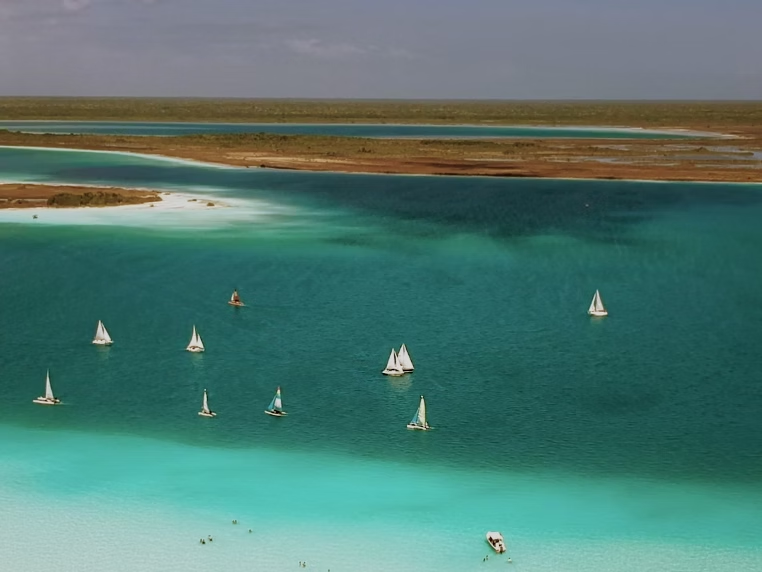
Our responsibility to spread sustainable nautical tourism on Laguna de Bacalar.
Nautical tourism is a global trend — who hasn't dreamed of sailing aboard a sailboat? We need to harness that momentum to promote what is also growing fast: sustainable tourism. Both pursue the same goal — enjoying sailing and exploring the world while causing the least possible impact on the environment.
The United Nations celebrates World Maritime Day on the last Thursday of September every year: a day to raise awareness of how nautical activities affect the planet and the care of every body of water. Bacalar is no exception.
Now that nautical and sustainable tourism are both growing worldwide, any excuse is a good one to encourage the merging of the two — and to protect our beautiful lagoon.
Sailboats and catamarans are eco-friendly vessels: lovers of sailing and visitors who care about sustainability will choose to take a ride or charter a boat to enjoy this spectacular lagoon, knowing the wind will be their engine.
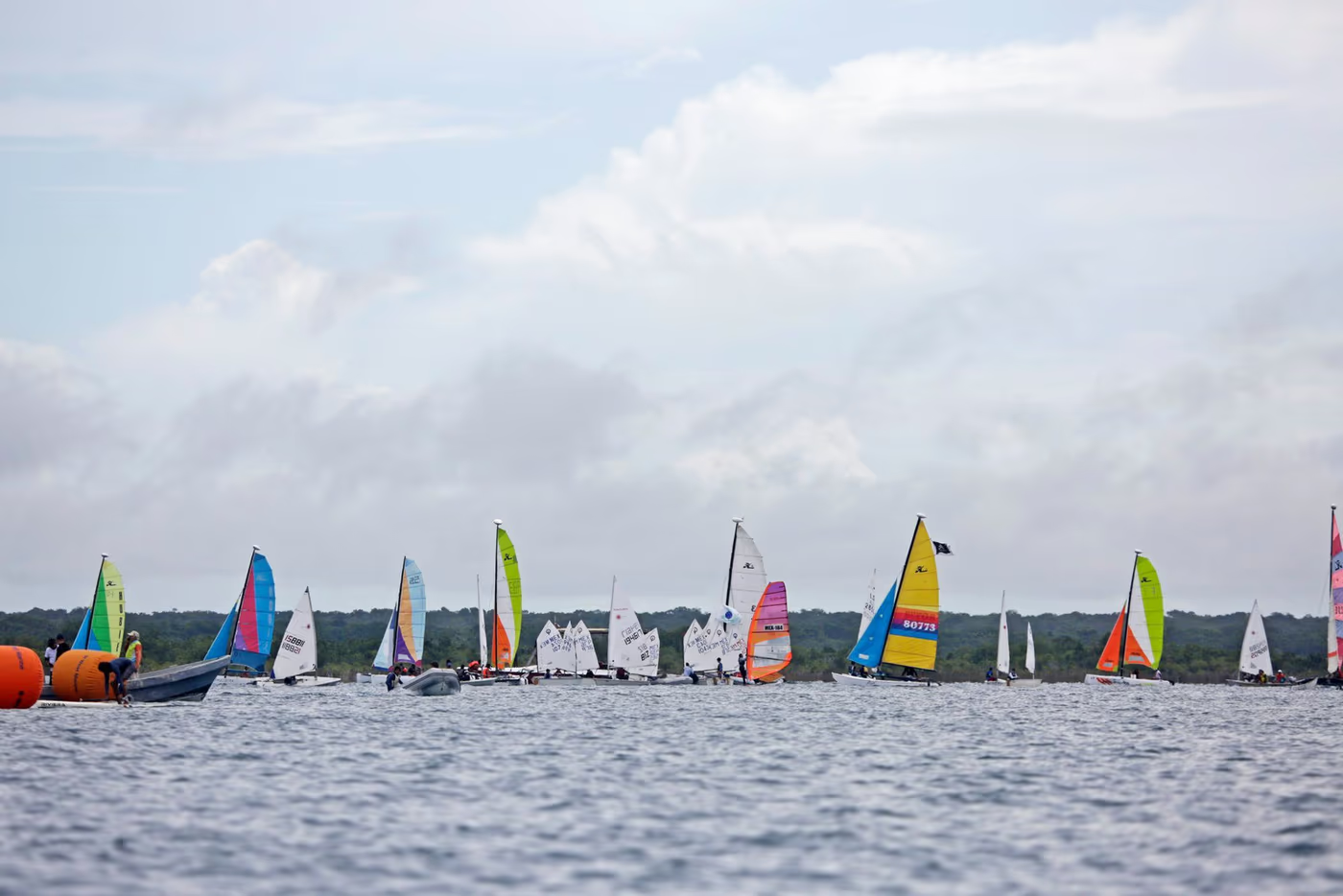
Everyone who uses boats and personal watercraft is part of an ecosystem shaped by the interaction of communities of living organisms. As sailors, we cannot ignore how our actions affect this fragile ecosystem: the waters we enjoy can be seriously affected by what we do — or fail to do.
Here are some general rules followed by responsible sailors worldwide who respect the environment and care about preserving the waters of the future.
Pollution
- Refuel on land to reduce the risk of spilling fuel into the water.
- Fill the tank carefully. Don't overfill — that's how spills happen. If fuel splashes or drips, soak it up with an absorbent cloth and dispose of it through the appropriate recycling channel.
- Check the engine and clean it away from the shoreline. Fuel spilled into the water can harm delicate aquatic micro-organisms and the animals that feed on them, potentially affecting the entire food chain.
Turbidity
In shallow water, boats can stir up the bottom and suspended sediments, limiting light penetration and reducing oxygen levels. This can affect fish and birds that feed in those areas. To avoid this, stay in the main channels and avoid shallow water whenever possible.
When you must cross shallow water, keep your speed moderate so you don't stir the bottom or damage stromatolites and mangroves.
Vegetation
Underwater vegetation zones are a delicate nursery for the few fish that live here.
Algae and other plants are not a boat's best friend either: vegetation drawn into the engine or pump can hurt performance. Stay away.
Whenever possible, manoeuvre well away from shore if there's vegetation nearby — there may also be wildlife around. The best way to avoid disturbing the local ecosystem is to stay within the marked channels and in the deeper parts of the lagoon whenever conditions allow.
Noise
Remember that the noise and movement of boats can disturb bird populations. Stay clear of nesting areas.
Many migratory birds are easily frightened and particularly vulnerable during migration. They tend to flee when disturbed; an unnecessary energy expense can harm a bird that needs to eat and rest.
Bird colonies are especially vulnerable to boat noise. Nesting birds may flee and leave eggs and chicks unprotected, exposed to predators or direct sunlight.
Harassment
Do not chase any wild animal or interrupt one while it is feeding, nesting or resting — beyond needlessly disturbing wildlife, it is illegal. Any action that alters the normal behaviour of an animal counts as harassment.
Sail at moderate speed so you have time to spot any animal in your path. Avoid areas with a dense animal population. If you collide with an animal, alert the local wildlife protection authority — there may be a chance to save or treat it.
Erosion
A boat's wake can contribute to shoreline erosion, especially when wakes are excessive in narrow passages.
Erosion affects the lagoon's banks: the slow destruction of shorelines impacts plant and animal habitats. Near the shore, keep your speed moderate to avoid creating waves.
Invasive species
If your boat comes from a different ecological environment, clean the hull thoroughly so you don't carry foreign plants or organisms. In any given environment, invasive species are those not native to the place; with no natural predators, they spread rapidly and can displace native species and significantly reduce animal and plant diversity.
Anchoring and grounding
When anchoring or beaching the boat, look for signs of birds, mammals, turtles or other reptiles on the shore.
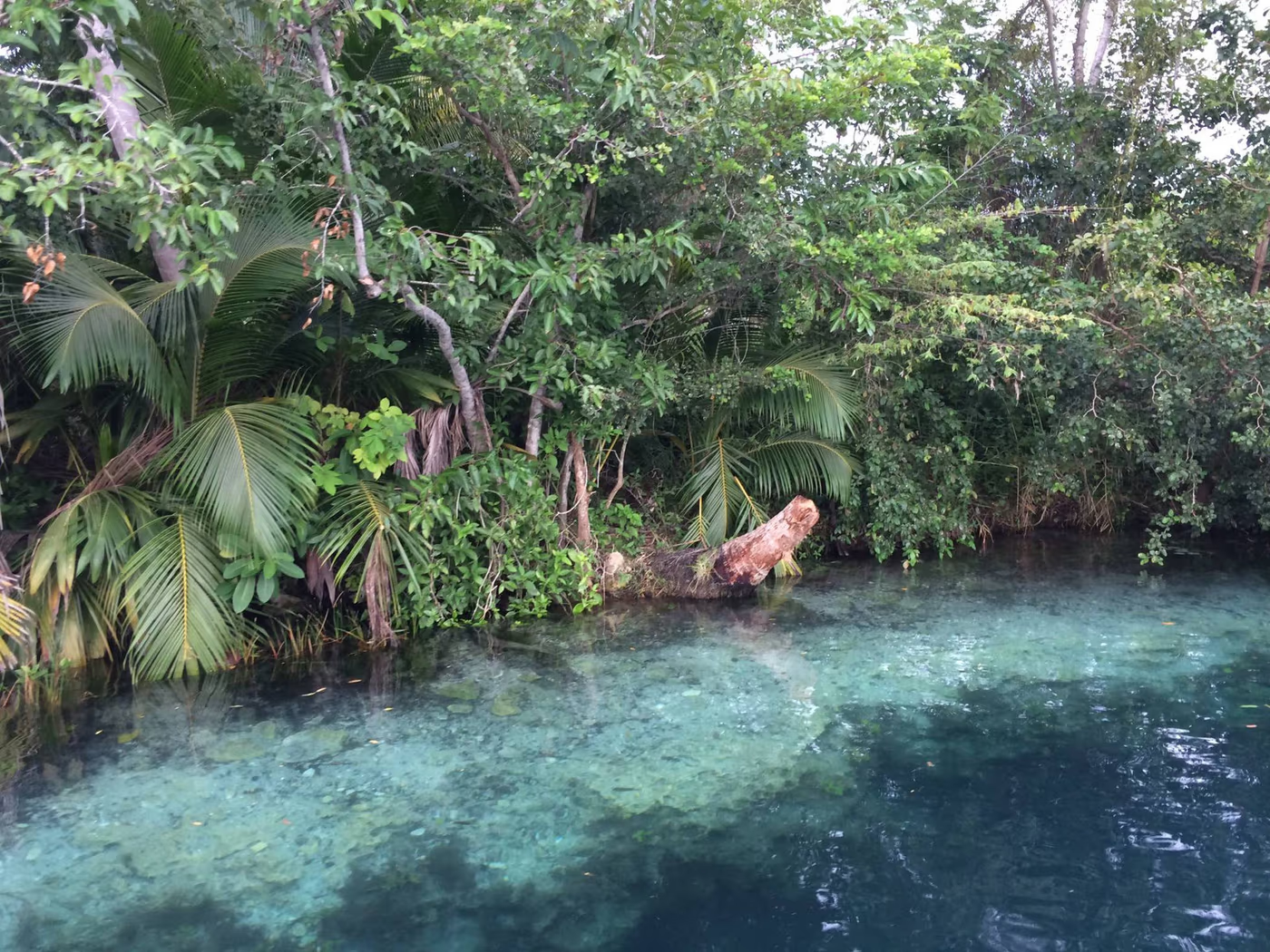
Try not to anchor or beach on shores with seagrass or mangroves. These plants are vital to the ecosystem: they control erosion and act as a nursery for small animals key to the food chain — crustaceans, molluscs and small fish.
Endangered species
Many plant and animal species are endangered due to habitat loss. Take great care with any endangered species that may be present in your sailing area, and help make sure they survive and thrive.
Special habitats
Stromatolites
The importance of stromatolites lies in their microbial make-up: the cyanobacteria they contain produce a huge share of the oxygen that animals and other organisms in the biosphere need to live.
They are mineral structures of microbial populations shaped like rocks; they grow attached to the bottom in shallow water and rise to the surface. Fossil stromatolites exist from every geological era; the earliest known record dates back 3.5 billion years at Warrawoona, Australia. Laguna de Bacalar is today one of the most important places in the world for the conservation of this ecosystem.
Mangroves
The mangrove is a tree adapted to life next to salt water. There are four mangrove species; two of them are threatened with extinction. Many wading and web-footed birds — such as spoonbills and pelicans — nest in mangrove forests. Mangroves also shelter other marine species, control erosion, filter runoff, stabilise the shoreline and protect the land from storms and high winds.
Do not sail through mangroves via unmarked channels. Doing so can disturb the ecosystem by harming the birds and other animals that live there.
Reed forests
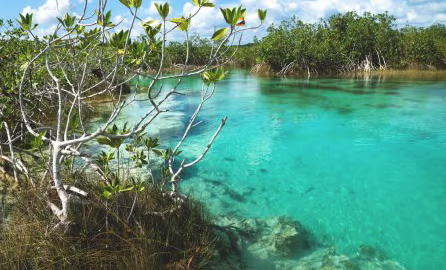
Reed forests host a rich aquatic community: the chivita snail, catfish and other fish and invertebrates — a fundamental part of the lagoon's life cycle and endemic species in the food chain that has coexisted with our Maya culture for centuries.
Sailing is good for your health: studies show that holidays on a boat lower anxiety levels, and the benefits last for weeks after the trip. It is also good for children — they love the setting, develop physical and emotional skills, soak up the vitamin from the sun and learn to love nature.
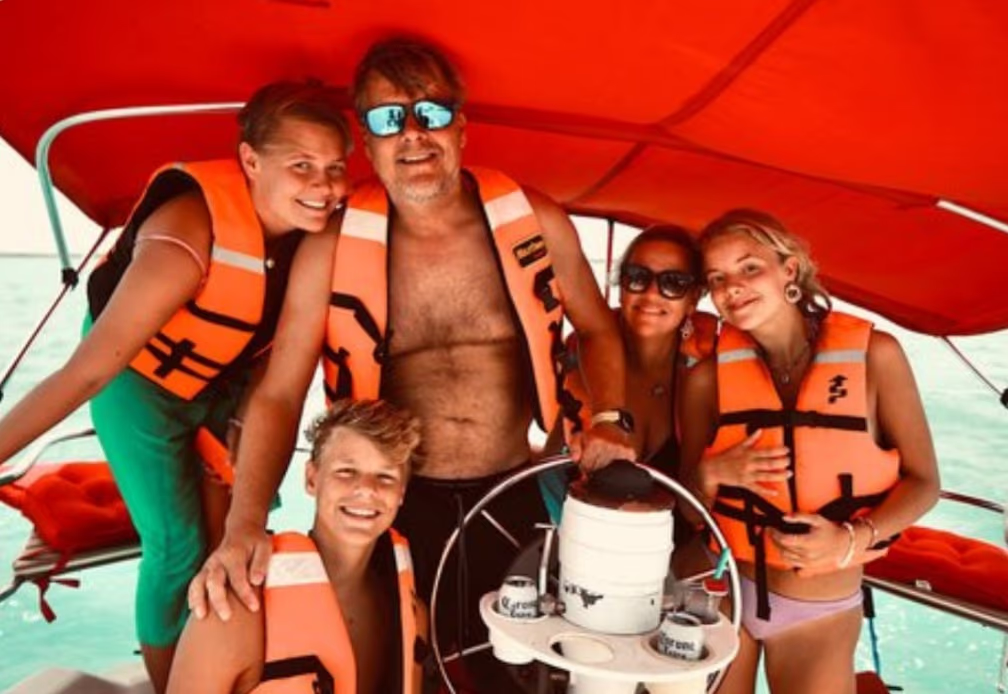
So… are you ready to live the experience of learning to sail aboard a sailboat? Contact us and we'll find the best option for you.